From Lived Experience to Regional Leadership: How ASEAN Youth Leaders are Shaping Climate Action
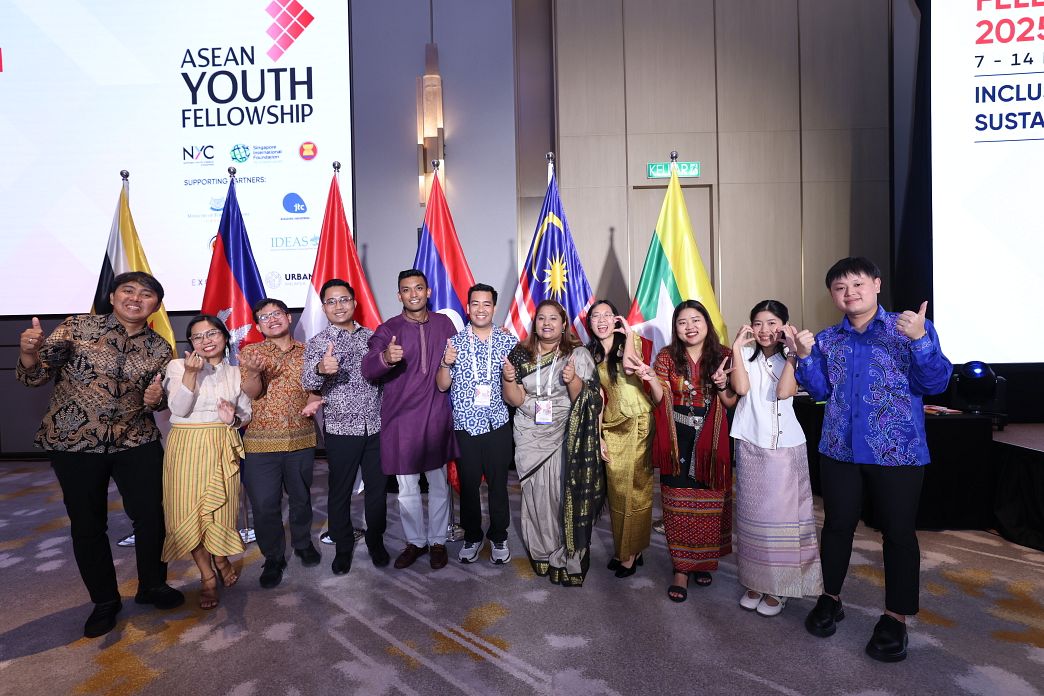
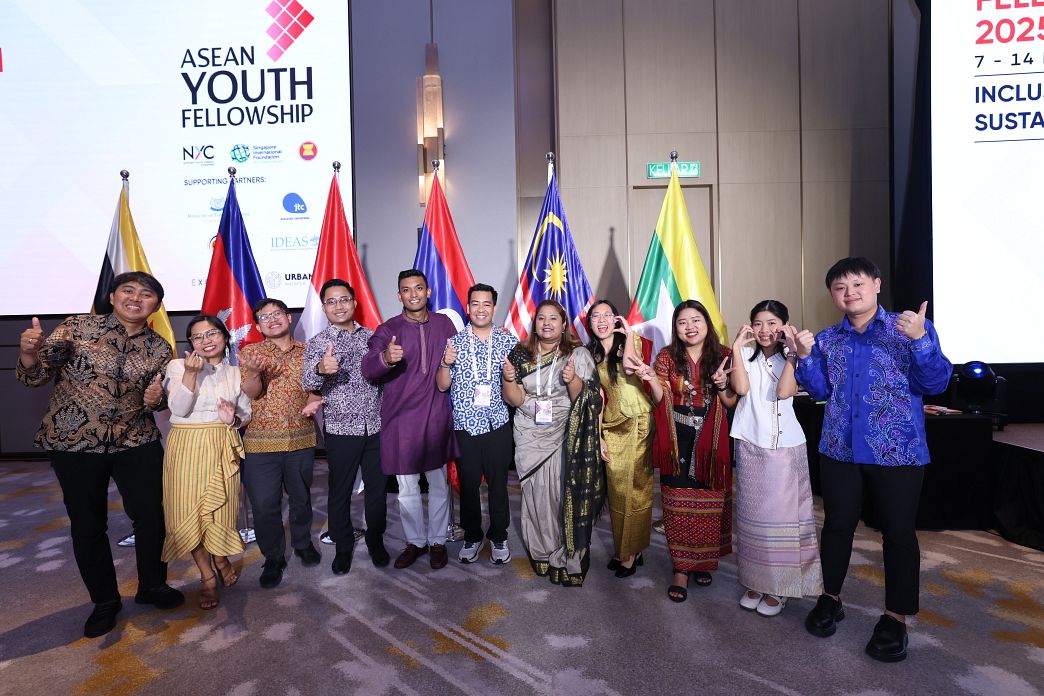
Climate leadership rarely begins in conference rooms or policy documents. It usually starts somewhere personal. For Lara Jean Lupenario Salaysay, it began with her upbringing in the Philippines, where climate change is not an abstract concept but a lived reality.
“In the Philippines, we really feel the impact of climate change,” she reflects. “I just really want to live in a world where I don’t have to fear rain or flooding.”
That experience shaped her path into climate work, and eventually into her role as a green jobs career coach, helping others pursue and thrive in sustainability-related careers.
“Knowing the science and actually having that personal experience, inspired me to take action,” she says.
For Rueban Manokara, the journey looked different but arrived at a similar sense of responsibility. Based in Singapore, his work as Global Lead of Carbon Finance and Markets Taskforce at the World Wildlife Fund (WWF) puts him at the intersection of conservation, finance and policy.
“Having a purpose-driven career has been very important from the start,” he shares. “Climate change is one of the existential issues that people of our generation have to face, and that’s what led me to see what I could do in terms of playing my part.”
Learning across borders
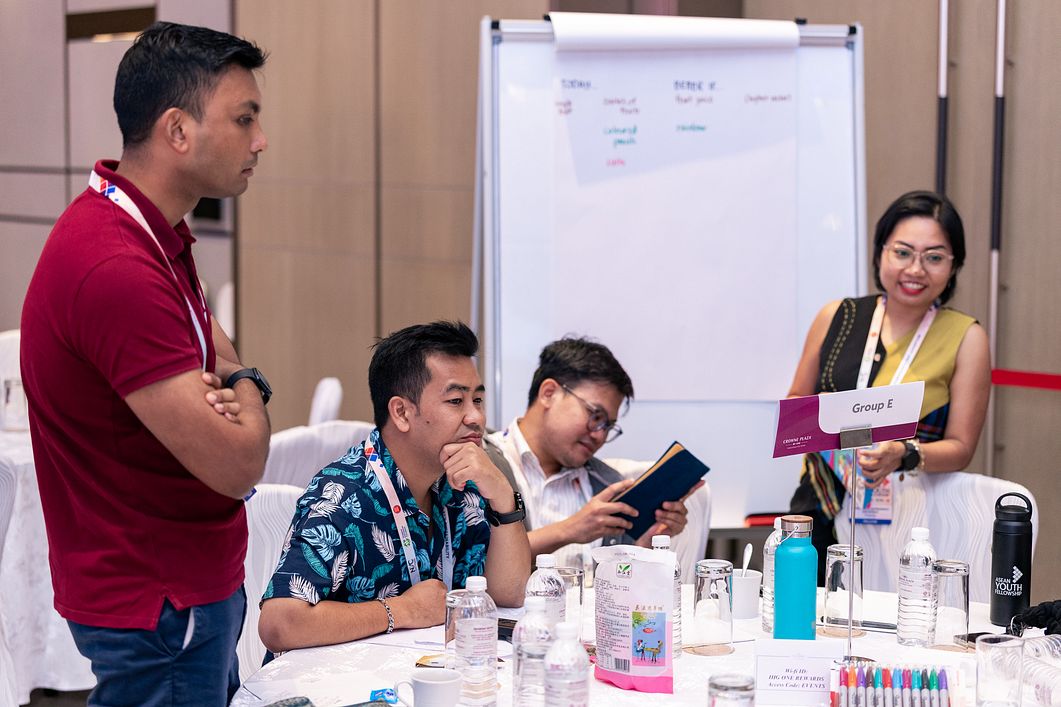
These reflections were shaped and exchanged through conversations with like-minded peers at the ASEAN Youth Fellowship (AYF). Organised by the Singapore International Foundation (SIF) and the National Youth Council (NYC) Singapore, AYF is a longstanding programme that brings together young leaders from Southeast Asia, empowering them to shape a more inclusive and sustainable future for the region.
One of the most valuable outcomes, Rueban notes, is exposure to different ways of defining progress across different societies and contexts. He points out that what constitutes ‘success’ in a highly urbanised city-like Singapore such as objective self-reflection and trust in governance, can look very different from community-centric resilience found in other ASEAN market.
“Understanding those perspectives really broadens how we think about building inclusive policies and frameworks,” he says.
For Lara, the experience reinforced the need to think beyond silos.
“It strengthened my ability to think across sectors,” she shares. “Climate change cuts across agriculture, education and health. We’re beyond thinking about it as only an environmental issue.”
Together, their perspectives reflect a broader truth about climate leadership in Southeast Asia: it is shaped by diversity of context, but united by a shared urgency to collaborate for action.
Youth leadership for the community
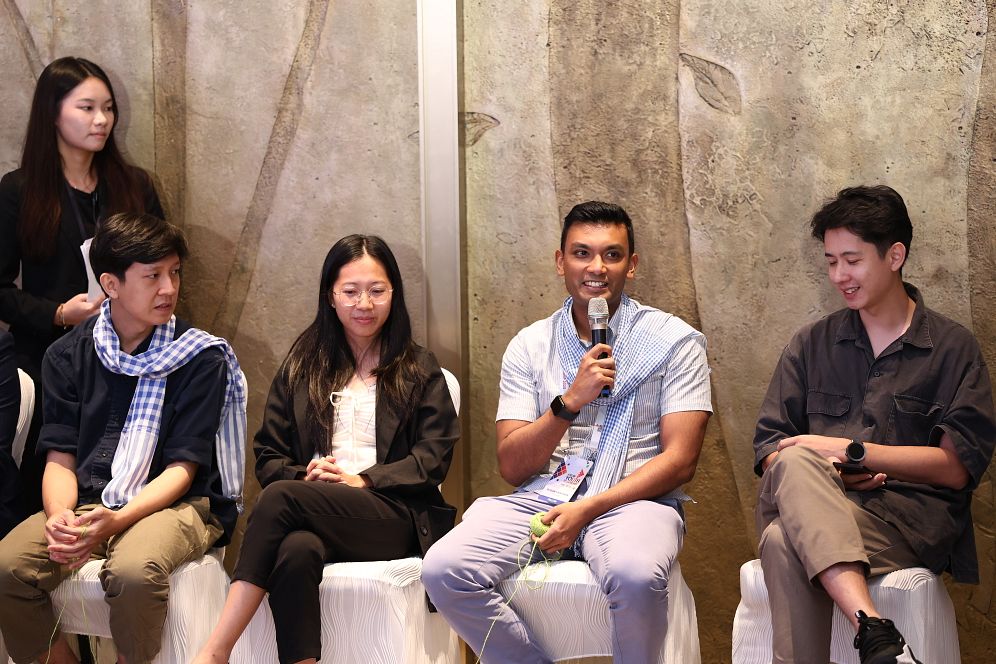

With more than 300 million people under the age of 30, Southeast Asia is one of the youngest regions in the world1 a reality both fellows believe this carries both opportunity and responsibility for youth to lead the way.
Building on this, Lara envisions this as a movement across generations.
“It’s not just adults paving the way for young people,” she says. “It’s young people paving the way for other young people.” For Lara, leadership means shaping a landscape, such as green career path, that is more inclusive and equitable for those who come next.
Rueban echoes this, emphasising that this energy must be met with genuine collaboration rather than tokenism. “No one country or organisation can solve the problem,” he notes. “It’s about how we work together in a multistakeholder environment, each one doing its part within its own circle of influence.”
Looking ahead, both fellows share a similar vision for the region’s future: one where young people are not just participants, but decision-makers.
“My hope is for more youth to take up leadership positions in the region,” Rueban says. “In government, academia, civil society – positions that can really drive change.”
Lara, meanwhile, believes that the role of young people goes beyond participation to speaking plainly and honestly.
“Young people in Southeast Asia are really courageous in saying what is currently happening,” she observes. “They say what we need to do, by looking at the reality versus the policy that should be happening.”
As Southeast Asia continues to navigate the complexities of climate change, the voices of youth leaders underscore that leadership is a practice – shaped by experience, strengthened by community and sustained through collaboration. Empowered with the right skills and motivation, young people can drive collective action that brings SIF’s vision of a better world closer to reality.
Applications are now open! Ready to scale your impact like Lara and Reuban? Join SIF’s youth community shaping change across ASEAN. Register your interest here and follow our socials for latest updates.
1Source: ASEAN Official Facebook