What Will Your Voice Make Possible?
What does it mean to have a voice, and to use it well?
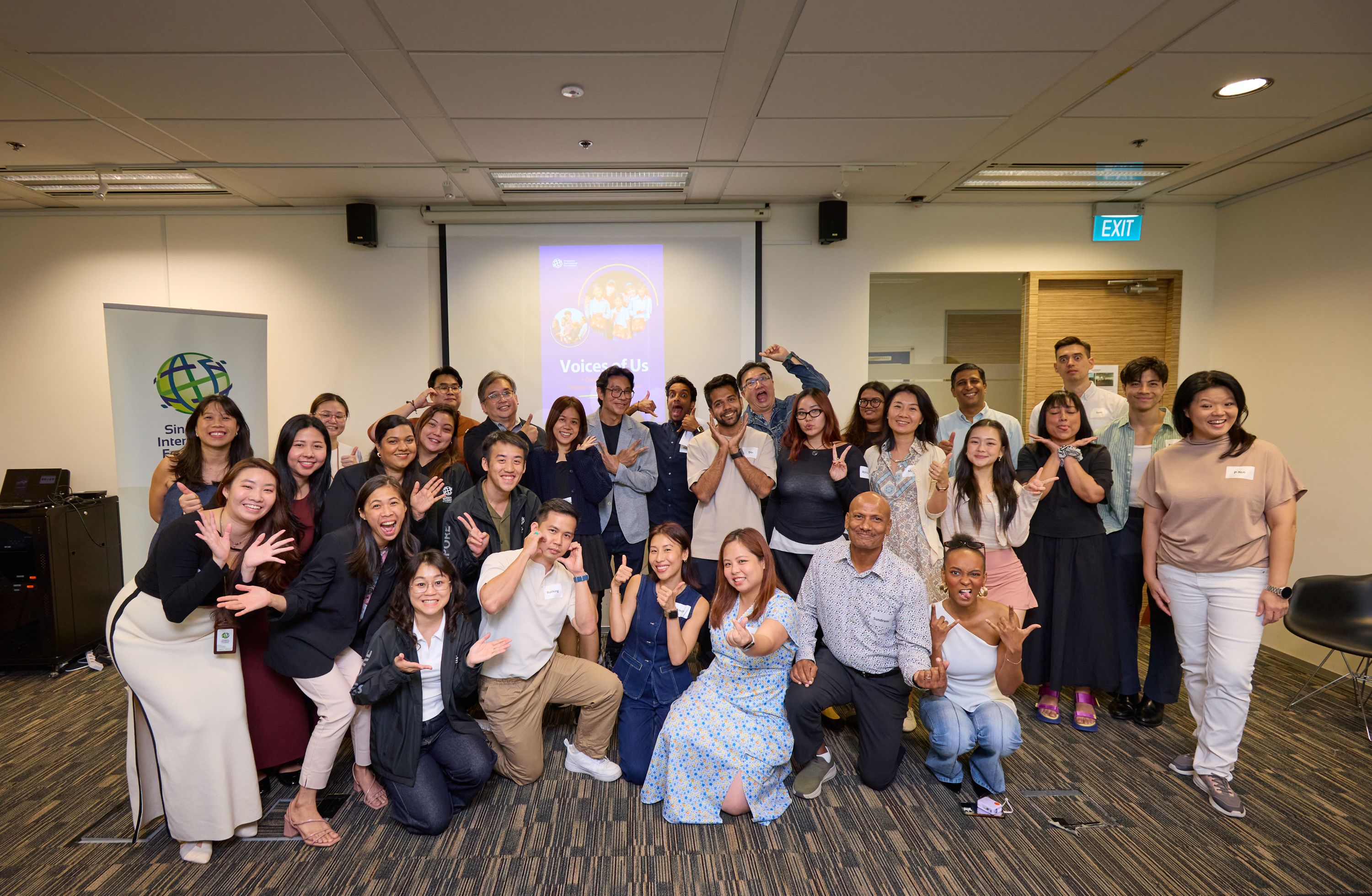
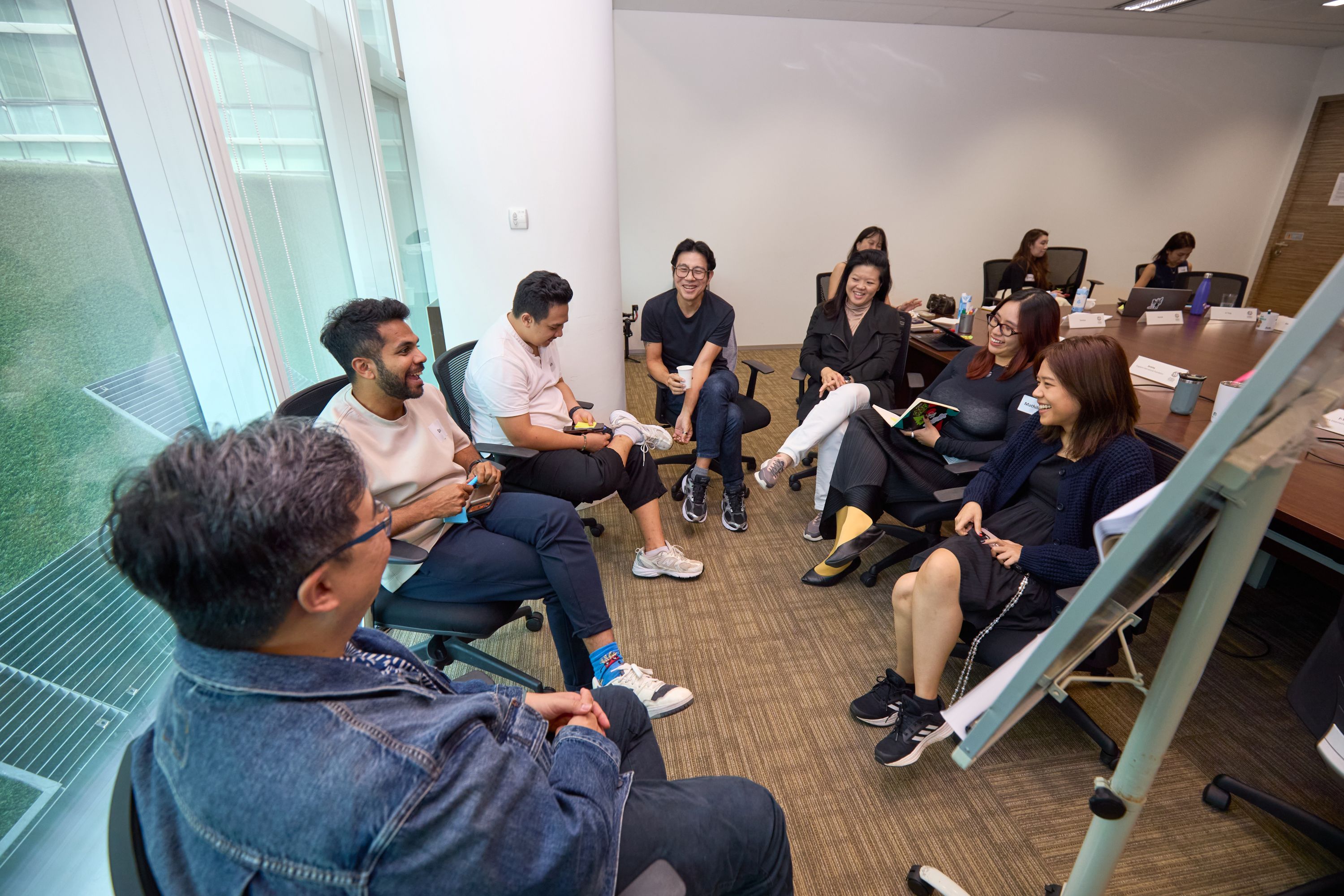
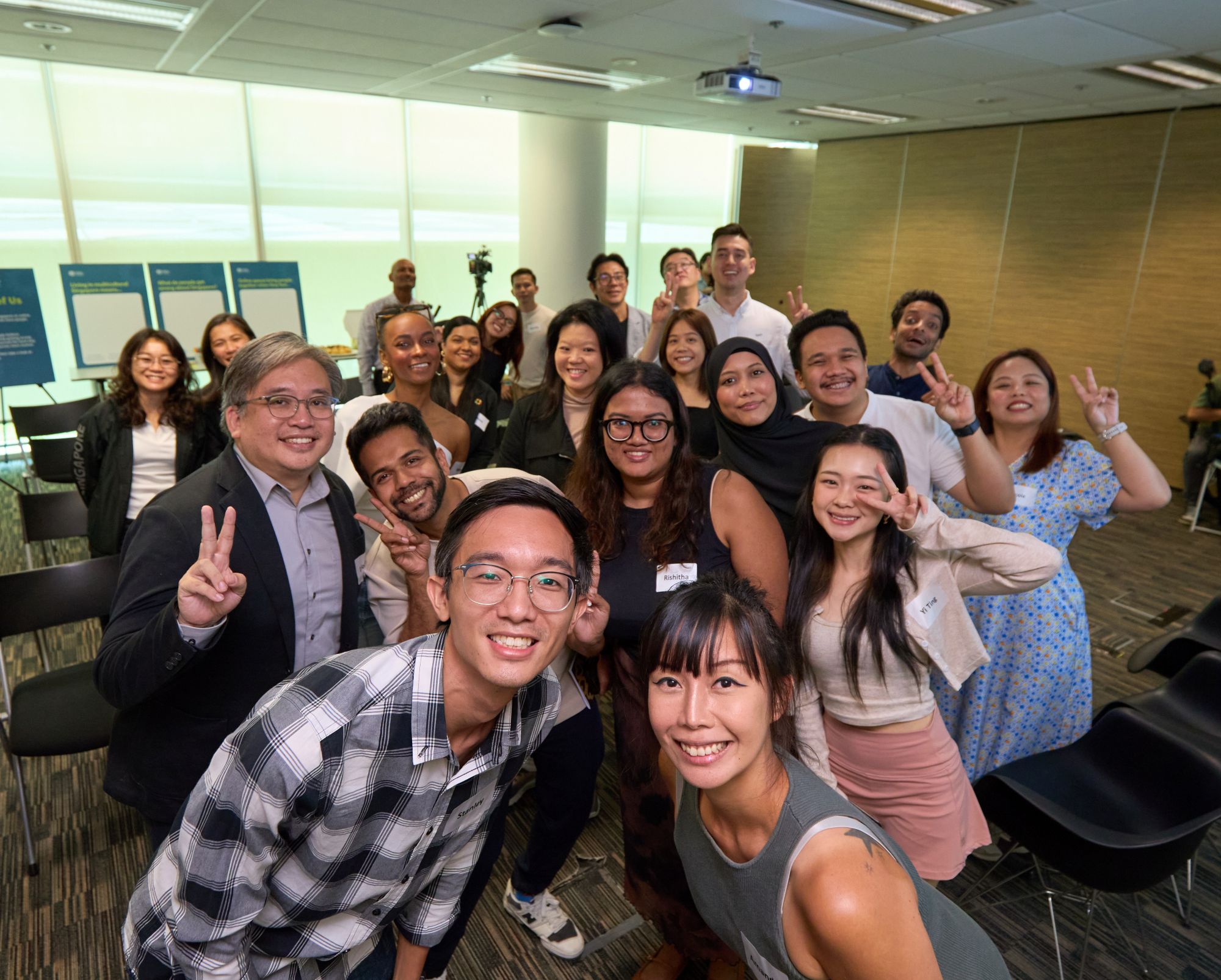
That was the question at the heart of Voices of Us (VoU), a pilot initiative by the Singapore International Foundation (SIF). It is designed as a cultural dialogue that brings together content creators with community voices to examine what responsible storytelling looks like in today’s digital landscape. A diverse group of creators — including multi-lingual entertainer Das DD, host and actress Ong Yi Ting, and musician Sam Driscoll — gathered at SIF to hold honest reflections on what it means to speak about Singapore thoughtfully, and what responsibility looks like when you have a platform and an audience that trusts you.
In a digital era where words can inform as easily as they divide, misinformation can travel faster than context. Societies also seeing how fault lines of race, language, and religion can be amplified, sometimes deliberately, in ways that challenge what has taken generations to build. In that context, credible and thoughtful voices are not just valuable. They are necessary. Yet the way success is measured online has not kept pace with that responsibility. Metrics such as reach, followers, and engagement were built to capture attention, not impact.
So what if these metrics were reframed — not to discard them, but to deepen what they mean? Here are five shifts that emerged from the day. Here are five shifts that emerged from the day.
1. Awareness — From impressions to representation
Online success often begins with reach: how many people saw something, and how far it travelled. But the more important question is: who is being seen? Voices of Us began with the understanding that Singapore’s identity is not singular. It is shaped by history, heritage, and the lived experiences of different communities — including the tensions and complexities that come with sustaining cohesion in a multicultural society.
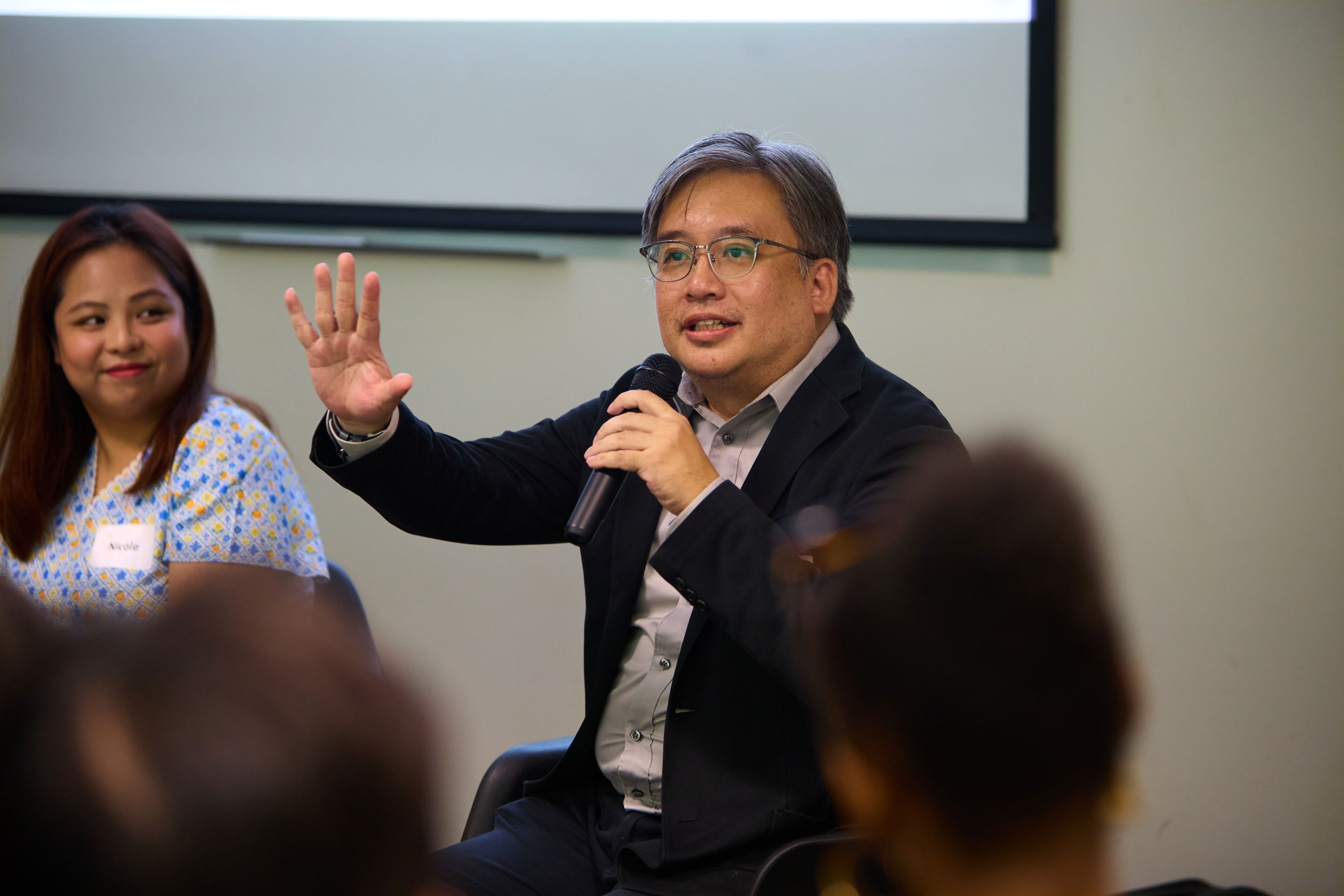
This was explored through the Voices of Diversity panel, where historian Dr John Kwok and urban tour guides Amanda Cheong and Stanley Cheah from Hidden Heritage demonstrated how places themselves carry layered memories — and how these histories continue to shape how people understand belonging today. Dr John reminded participants that facts don't speak for themselves. It falls on individuals and communities to investigate, and to correct the record when misinformation takes hold. Stanley and Amanda showed how physical spaces carry layered memories of communities that have too often been overlooked. But awareness is not just about what is presented. It is also about what is missing — and whose perspectives are absent.
Das echoed this in his reflection. He said, “Most of us see Singapore from our own lenses, but it is very important to see Singapore from the lenses of others too.” For SIF, creating awareness means creating conditions for a broader range of voices — not just to be visible, but to be heard with context and clarity.
2. Acquisition — From followers to perspectives
Audience growth is often tracked closely as a measure of success. But beyond numbers, a more meaningful question is whether people are being helped to see the world differently.
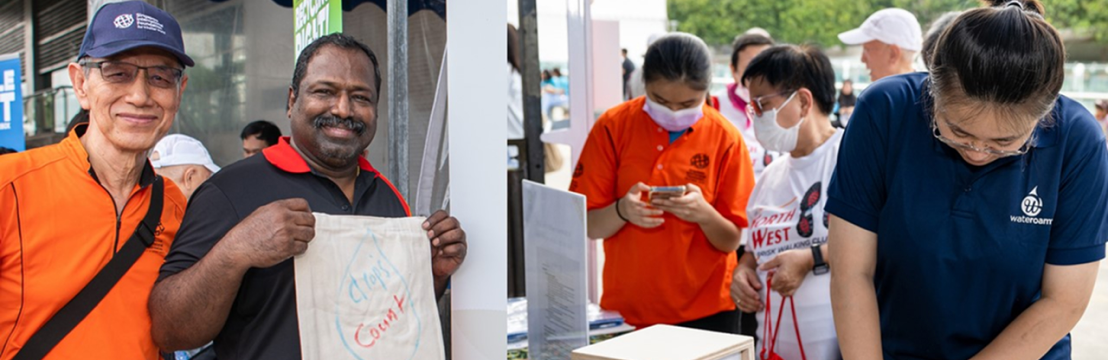
A topic as layered as multiculturalism cannot be understood through a single lens. Throughout the day, participants heard perspectives across disciplines — from researchers and heritage practitioners to volunteers working on the ground.
What emerged was not just more information, but a broader way of seeing our identity. As Sam Driscoll shared, “We’re all different somehow, but we live in the same place… we’ve shared many of the same things before.”
At the same time, exposure to new voices revealed how much remains unseen. Rishitha Anantha noted, “Meeting people out of your circle… you are actually learning new things from them.”
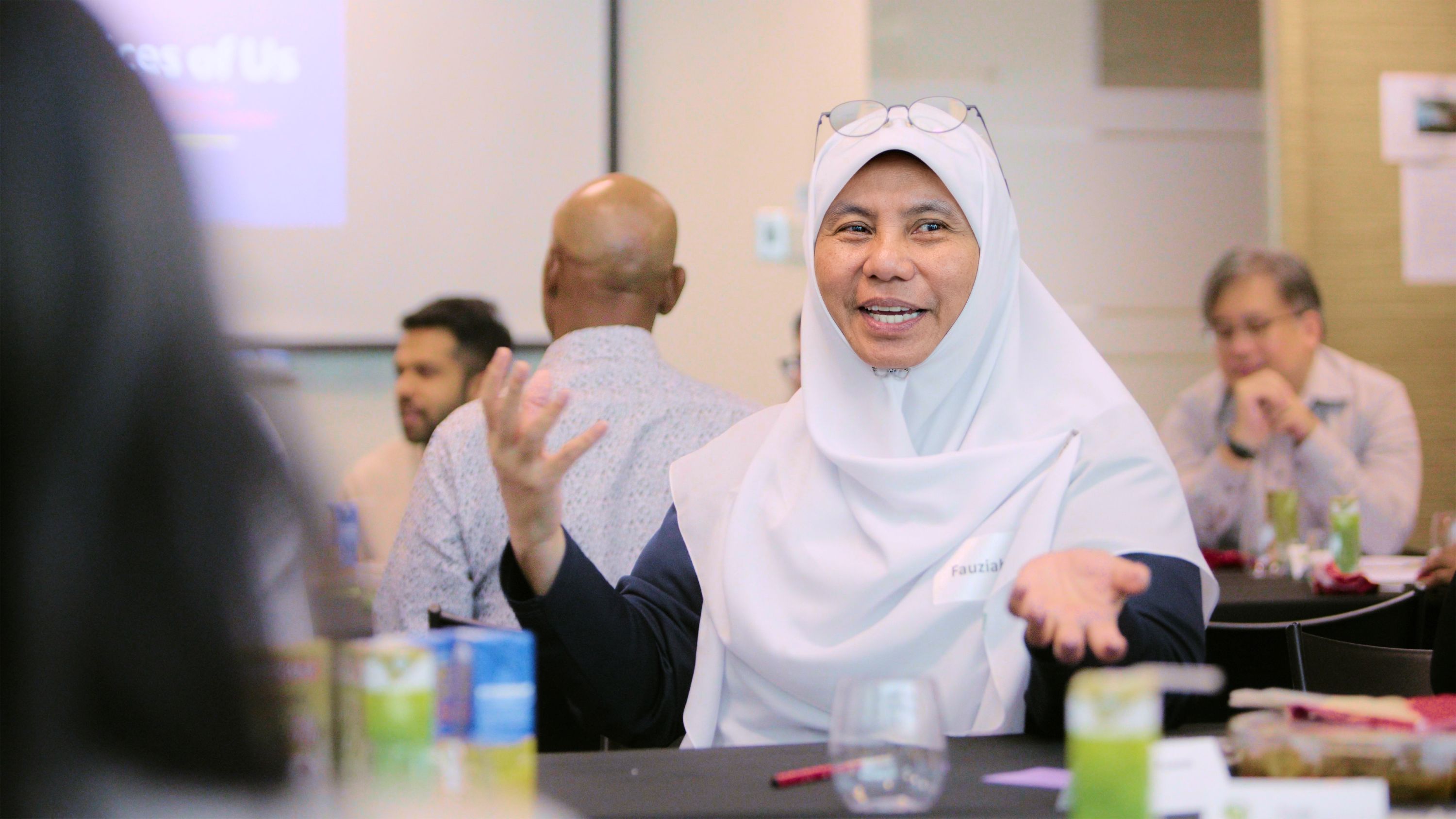
Youth leaders and Singapore International Volunteers reinforced this through their work with SIF, drawing a clear distinction between sympathy and empathy — and reminding participants that empathy cannot be taught through videos or textbooks. It must be experienced. As one Singapore International Volunteer (SIV), Seluasundram Nagalingam, put it: “Aspire to inspire before you expire.”
For SIF, this is the shift: not just growing audiences, but understanding whether their worlds are expanding.
3. Activity — Not just scrolling, but showing up
Engagement is often measured through clicks, interactions, and time spent on each piece of content. But real engagement looks different. It happens when people choose to show up for something that resonates with them.
Voices of Us was intentionally designed to move beyond passive consumption. From the creators’ perspective-sharing session — where participants surfaced real experiences navigating misinformation — to the Content Lab, where they translated those reflections into potential narratives, the programme emphasised contribution over observation. It was not about polished outputs, but about the process: listening, questioning, and staying in conversations that are not always comfortable.
For many, this was a shift. As Mathilda Huang shared, “There’s still value in speaking up… even in uncomfortable conversations.”
Similarly, creators like Azula Cinta and Hafiy Alhamid pointed to the complexity of navigating these discussions online — where intent is often misunderstood, and conversations can quickly become polarised.
Azula put it succinctly: “We don’t expect sympathy… we expect understanding.”
Real engagement is not passive. It requires people to show up, to contribute, and to stay in the conversation.
4. Appreciation — Not just likes, but likeness
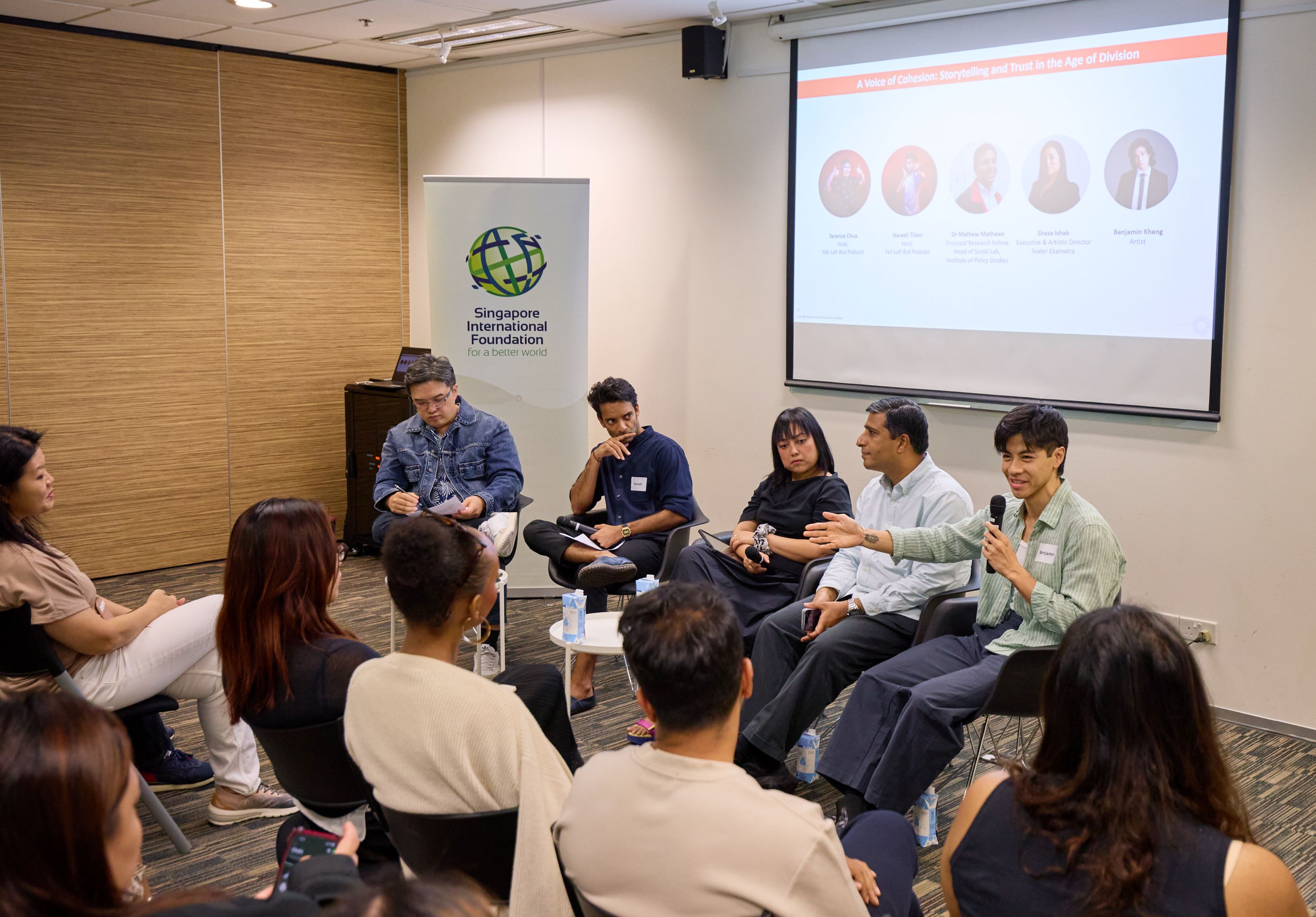
If awareness is about visibility, appreciation is about understanding. This was most directly explored in the Voices of Cohesion: Storytelling and Trust in an Age of Division segment where perspectives from those in the arts, culture and research made clear that belonging is not straightforward.
The panel brought together voices like Terence Chia and Haresh Tilani from the Yah Lah But podcast, artist Benjamin Kheng, artistic director Shaza Ishak, and Principal Research Fellow and Head of the Social Lab at the Institute of Policy Studies, Dr Mathew Mathews. Each panelist offered a different lens on how identity is shaped, expressed, and sometimes contested in Singapore today.
The discussion surfaced a key tension: in a diverse and highly connected society, the stories people tell about themselves do not exist in isolation. They are shaped by institutions, community narratives, and increasingly, by digital platforms that can both broaden and narrow what people see.
What emerged was not a single, tidy definition of what it means to be Singaporean, but something more honest: that multiple realities exist, and that understanding requires engaging with that complexity.
Wendy Makundi reflected that the session changed her perception of what it means to be Singaporean, and that different things can connect people. Kerryn Lee added that not everything seen online is true, and that people need to speak with others to understand their real struggles.
For SIF, appreciation is not about agreement. It is about building the capacity to hold difference, and still find ways to connect.
5. Advocacy — Not just amplification, but continuity
The hardest thing to measure is often the most important: what happens after the conversation ends?
Voices of Us is not intended to be a one-time event. It is a starting point for conversations that extend beyond the room, and for networks that continue to evolve.
Participants themselves spoke about carrying this forward. Rishitha Anantha reflected that once people start sharing, they can become catalysts for change. Others spoke about representing Singapore more fully in their work. Kerryn noted the importance of showing not only the perfect side, but also the struggles, so that people can understand Singapore as a whole.
Real advocacy is not just about amplifying one’s own voice. It is about creating the conditions for others to use theirs — and ensuring that those conversations continue, even when the original participants are no longer in the room.
The world will continue to move fast. The noise will grow louder. But how people choose to show up — with intention, nuance, and care — remains within their control.
Through Voices of Us, SIF seeks to support a growing network of individuals committed to using their voices to foster understanding, build trust, and strengthen connections across communities.
Because ultimately, the question is not just what people say. It is what their voices make possible.
Find out more about Voices of Us from the participants' perspective: